Discover the Versatility of a Fillet Blade: Vital Tool for every single Cooking Lover
The fillet blade is usually taken too lightly in the cooking area. Its slender blade enables precision in various cooking tasks past fish filleting. From trimming fowl to preparing vegetables and fruits, its versatility is exceptional. Understanding its composition and uses can greatly influence cooking strategies. Yet, several home chefs ignore the value of picking the appropriate blade. What elements should one think about when picking a fillet blade?
Recognizing the Composition of a Fillet Knife
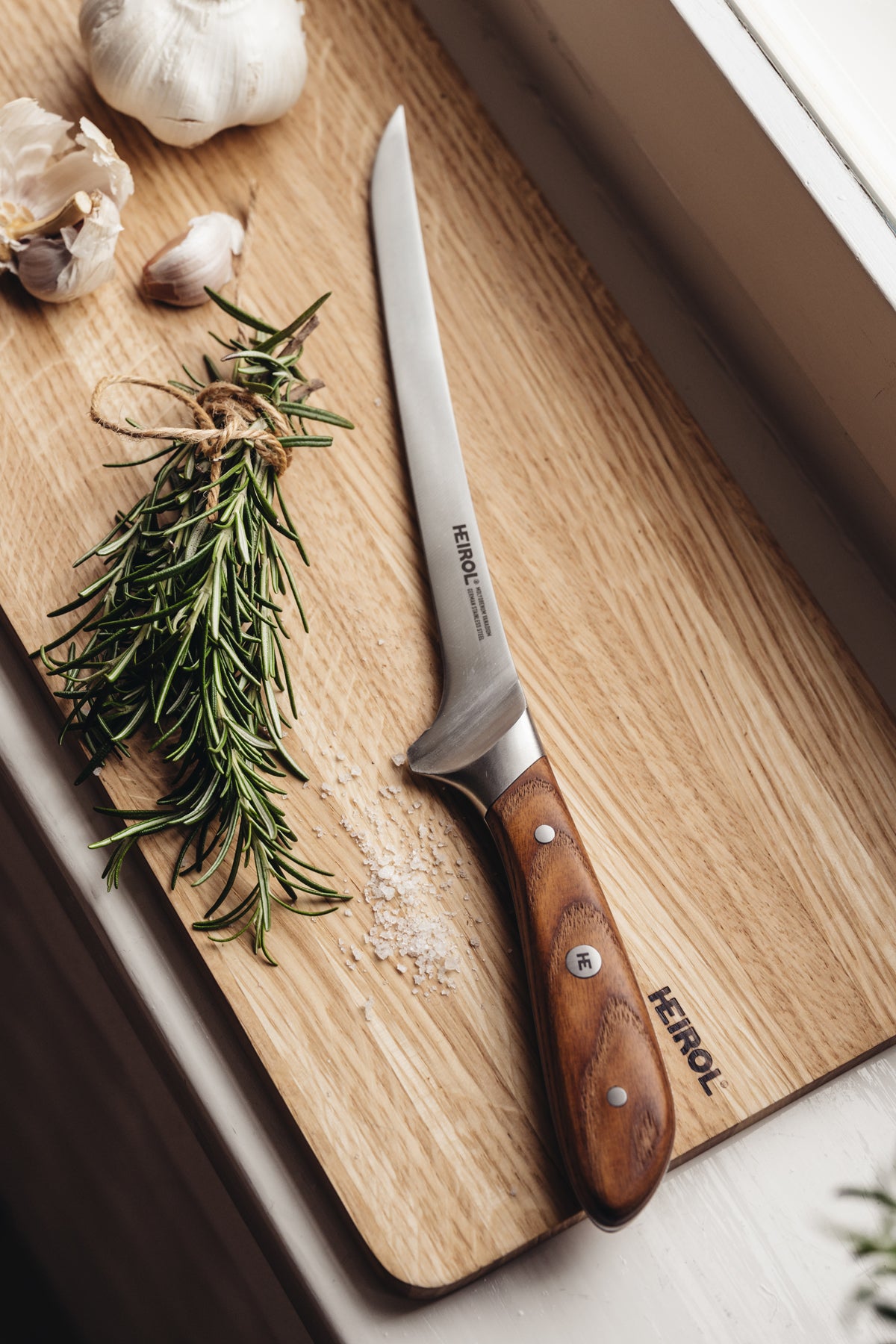
A fillet blade is a specific tool made for accuracy and control in the cookeries. Its anatomy includes numerous key components that add to its performance. The blade is commonly long, slender, and versatile, permitting for simple navigating around bones and delicate flesh. This adaptability is crucial for filleting fish, as it enables the customer to make tidy, exact cuts without tearing the meat.
The side of a fillet blade is typically lancinating, typically featuring a straight or somewhat rounded layout to facilitate smooth cutting. The handle is ergonomically designed for a safe hold, offering convenience during prolonged usage. Products such as stainless steel are generally selected for the blade as a result of their resistance to rust and convenience of upkeep. Overall, comprehending the composition of a fillet knife is essential for cooking fanatics who seek to elevate their abilities and accomplish optimal cause their cooking undertakings.
The Lots of Usages of a Fillet Blade in the Kitchen
Countless cooking applications highlight the flexibility of a fillet knife in the kitchen. Mainly made for filleting fish, its sharp, flexible blade permits for specific cuts along the bones, yielding tidy, delicate slices. Beyond fish and shellfish, a fillet knife succeeds in trimming and deboning chicken, making it a very useful device for preparing hen and turkey meals.
In addition, its slender style aids in preparing vegetables and fruits, providing control for intricate tasks such as segmenting or peeling citrus. The blade's finesse is likewise advantageous for cutting through treated meats and cheeses, making certain even portions for charcuterie boards.
Just how to Pick the Right Fillet Knife for Your Demands
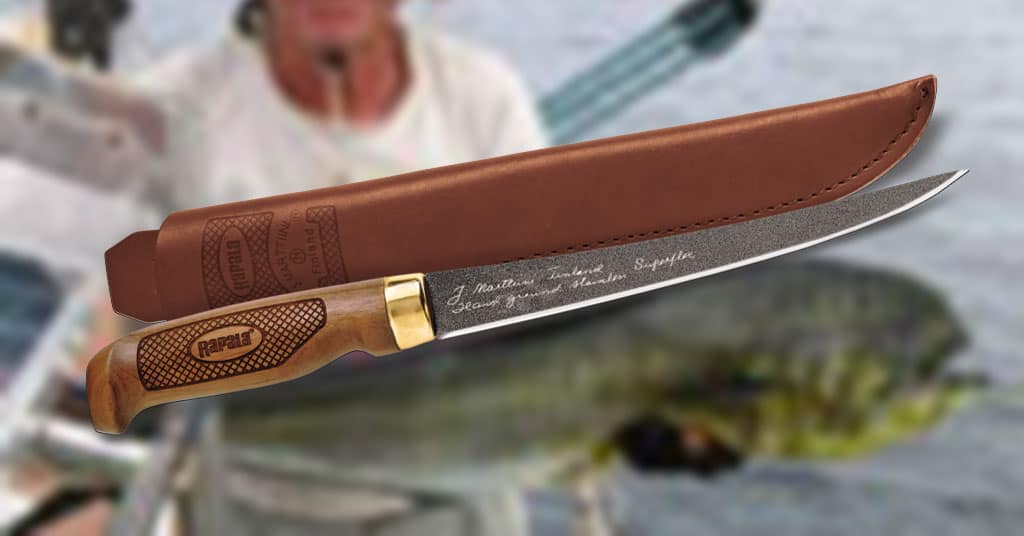
Picking the best fillet knife is vital for maximizing its potential in the kitchen. When picking a fillet knife, numerous variables need to be considered. The blade length is essential; commonly, fillet blades range from 6 to 9 inches. Shorter blades offer accuracy for smaller sized fish, while longer blades provide adaptability for bigger catches.
Next, the blade material plays a substantial role. High-carbon stainless-steel is preferred for its sharpness and rust resistance, while flexible blades enable far better maneuverability throughout filleting. The deal with's product and style must likewise be examined for convenience and hold, as a secure hold is essential during use.
Tips for Maintaining Your Fillet Knife
Maintaining a fillet knife is necessary for guaranteeing its durability and performance. Routine cleansing is essential; after each usage, the blade needs to be washed with cozy, soapy water and dried out promptly to protect against corrosion. Keeping the knife correctly is equally crucial; making use of a safety sheath or magnetic strip can protect against blade damages and maintain the edge sharp.
Developing the blade periodically will boost cutting performance. A sharpening rod or whetstone can be utilized to preserve the side, ensuring smooth and accurate cuts. Additionally, staying clear of call with hard surface areas, such as glass or ceramic, aids avoid dulling.
Finally, evaluating the manage for any kind of indicators of wear or damages is necessary, as a secure hold is crucial for security and control. By complying with these maintenance suggestions, culinary enthusiasts can assure their fillet knife stays a reliable and reliable device in the cooking area.
Fillet Knife Techniques for Perfect Cuts
Recognizing blade angles is necessary for achieving accurate cuts with a fillet blade. Methods for skinning fish better enhance the ability of culinary lovers, permitting cleaner and much more effective preparation. Proficiency of these techniques not only boosts presentation yet additionally raises the general cooking experience.
Mastering Blade Angles
While understanding the art of filleting fish, one of one of the most crucial elements to contemplate is the blade angle, which significantly affects the accuracy and high quality of each cut. A sharp fillet knife commonly calls for an angle between 15 to 30 levels for suitable performance. This angle enables smooth, read the article controlled pieces without tearing the flesh.
Newbies might favor a steeper angle for even more control, while skilled chefs may choose a shallower angle to accomplish better cuts (fish knife). Changing the angle according to the type of fish being prepared is likewise essential; stronger fish may call for a various method than fragile selections. Recognizing these nuances allows cooking lovers to improve their filleting abilities substantially
Strategies for Skinning Fish
Mastering the methods for skinning fish is important for culinary lovers seeking to elevate their filleting skills. The procedure starts by placing the fish on a steady surface area, ensuring it is safe. A sharp fillet blade is important; the blade needs to be adaptable to browse the shapes of the fish. Beginning at the tail, the knife needs to be placed between the skin and flesh, preserving a superficial angle to stay clear of puncturing the skin. Gentle, constant strokes permit tidy separation, while the non-dominant hand holds the skin tight. For harder skins, such as salmon, using a sawing motion can improve control. With method, these strategies result in completely skinned fish, ready for culinary creations.
Comparing Fillet Knives: Material and Style
When picking a fillet knife, the option of product and design plays a crucial duty in efficiency and customer experience. Typically, fillet blades are crafted from stainless-steel or high-carbon steel. Stainless steel offers corrosion resistance and calls for much less upkeep, making it ideal for novices. In comparison, high-carbon steel provides exceptional sharpness and side retention however demands a lot more like prevent rusting.
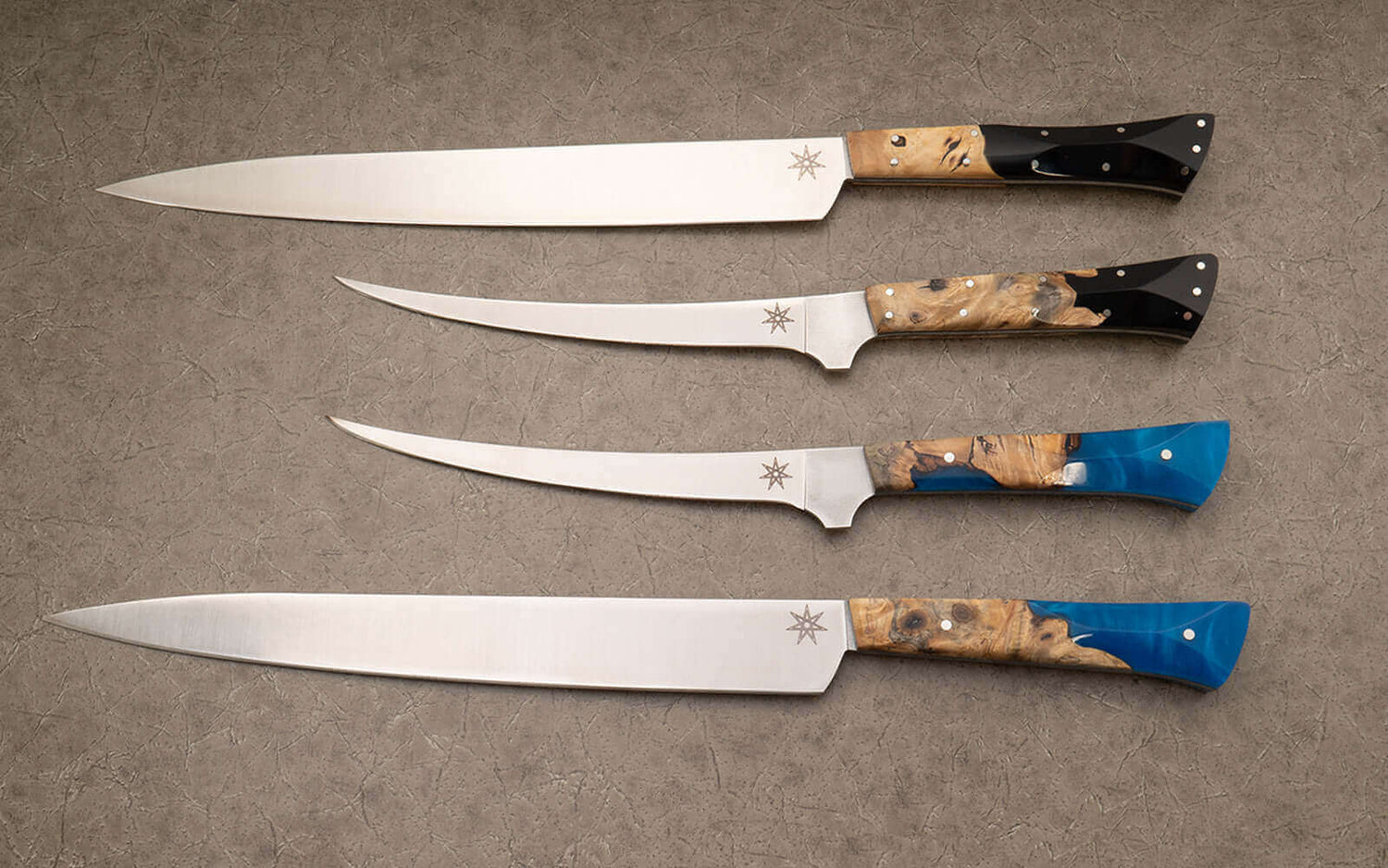
The design of a fillet blade is similarly important. Blades with a flexible blade enable for much better ability to move around bones and skin, boosting accuracy. Blade size can differ, with shorter blades offering control for smaller fish and longer blades fit for larger varieties. Takes care of also differ, with ergonomic styles offering comfort and a secure hold throughout long term use. Ultimately, the best combination of material and style can significantly improve a culinary fanatic's filleting experience.
Recipes to Attempt Utilizing a Fillet Blade
Various delicious dishes can be my latest blog post improved by the accuracy of a fillet knife, permitting culinary enthusiasts to elevate their cooking strategies. One preferred recipe is pan-seared salmon, where the fillet blade helps with the skinning and portioning of the fish, ensuring even cooking. For sushi enthusiasts, the knife's intensity is perfect for cutting fresh fish right into delicate sashimi or constructing rolls with precision-cut active ingredients.
Often Asked Inquiries
Can I Utilize a Fillet Blade for Meat Cutting?
Yes, a fillet blade can be made use of for meat cutting, as its flexible blade permits for precise cuts. It is mainly made for fish, so a specialized meat knife may generate much better results.
How Do I Sharpen a Fillet Blade Properly?
To develop a fillet knife properly, one should make use of a whetstone at a 15-20 degree angle, preserving constant strokes. Additionally, a honing pole can be made use of for light touch-ups to keep the blade's edge.
What Is the Best Size for a Fillet Blade?
The finest length for a fillet knife normally varies from 6 to 9 inches. This size balances manage and adaptability, enabling for precision when filleting fish or other delicate healthy proteins successfully and successfully.
Are Fillet Knives Safe for Beginners?
Fillet blades can be secure for newbies if made use of with caution and proper method. Their layout needs cautious handling, and novices must exercise reducing skills and ensure adequate guidance to avoid mishaps while learning.
Just how Often Should I Change My Fillet Knife?
A fillet blade needs to be changed when it reveals considerable wear, such as dullness or damages. Generally, with go to these guys normal use, fanatics might take into consideration changing it each to three years, relying on upkeep and usage frequency.
The blade size is important; usually, fillet knives vary from 6 to 9 inches. Recognizing blade angles is important for achieving precise cuts with a fillet blade. A sharp fillet blade is essential; the blade should be adaptable to navigate the shapes of the fish. One preferred dish is pan-seared salmon, where the fillet knife facilitates the skinning and portioning of the fish, guaranteeing even cooking. Yes, a fillet blade can be utilized for meat cutting, as its adaptable blade enables for precise cuts.